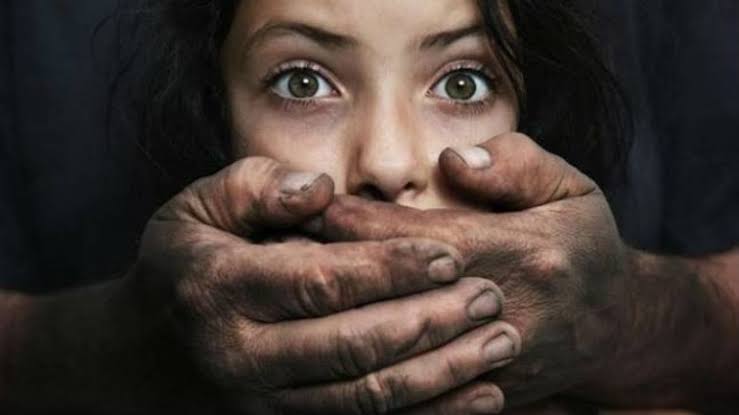
Domestic violence doesn’t just affect the victim. If there are children around the violence frequently, they are deeply affected too. Exposure to domestic violence can have life-long negative effects on children.
Exposure to violence can harm a child’s emotional, psychological and even physical development. Children exposed to violence are more likely to have difficulty in school, abuse drugs or alcohol, act aggressively, suffer from depression or other mental health problems and engage in criminal behavior
does domestic violence affect the brain?
Nemeth has found those who experience violence that leaves them with brain injuries have a higher chance of experiencing anxiety, depression, headaches, vision problems and seizures among other issues.
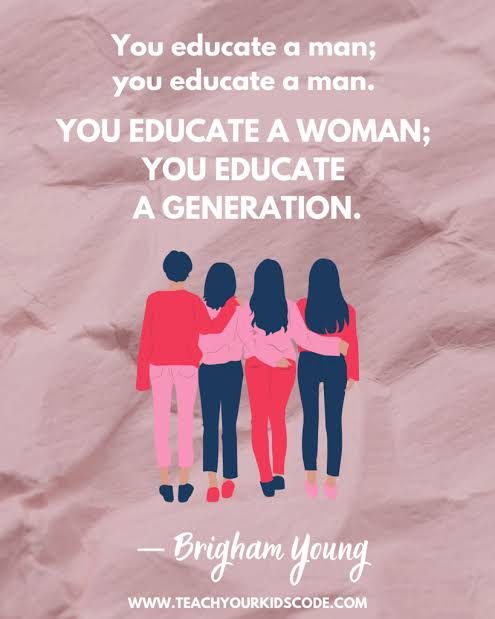
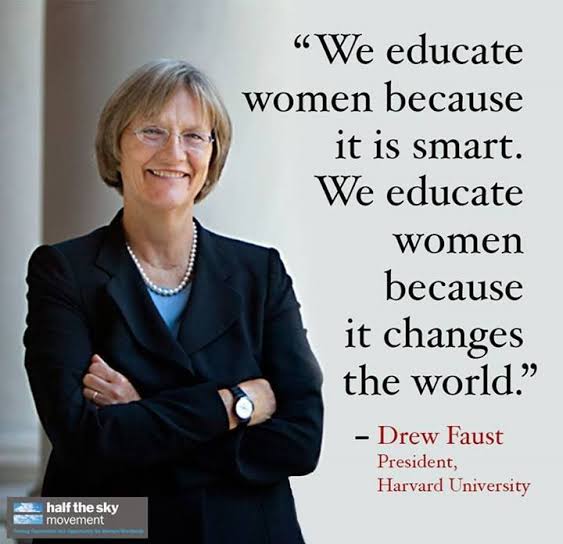
Article On Importance of Education for Women: Women Education is an umbrella term that refers to the state of health and education until the tertiary level for all girls and women. About 65 million girls across the world remain out of school, and most of them belong to the underdeveloped and developing countries.
Women play a vital role in a nation’s development. It is a necessary step for all the countries, including the underdeveloped and developing countries to improve their condition of female education.
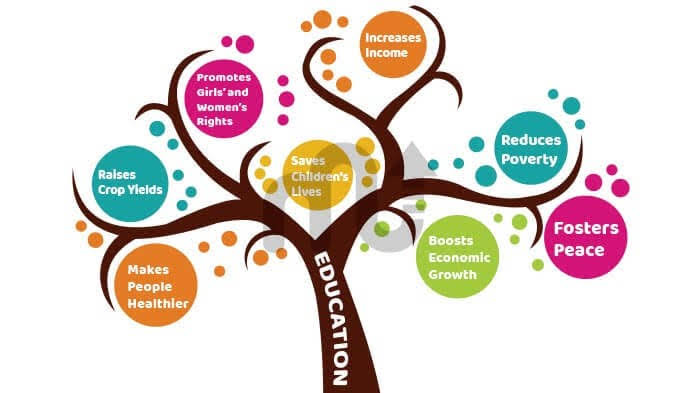
Education is a tool that builds confident and ambitious women. Women become aware of their rights and raise their voice against exploitation, discrimination, or any form of injustice.
Elimination of Crime against women
Education plays a vital weapon in eliminating many social crimes and evils against women prevailing in society. Social customs such as Sati, Dowry, Female infanticide, Flesh Trade, and other harmful customary practices can be eradicated through female education.
An educated woman is pivotal in a civilized society and influences the beliefs and thoughts of its members. She stands up for the injustice pitted against women in the family or society against other girls or women.
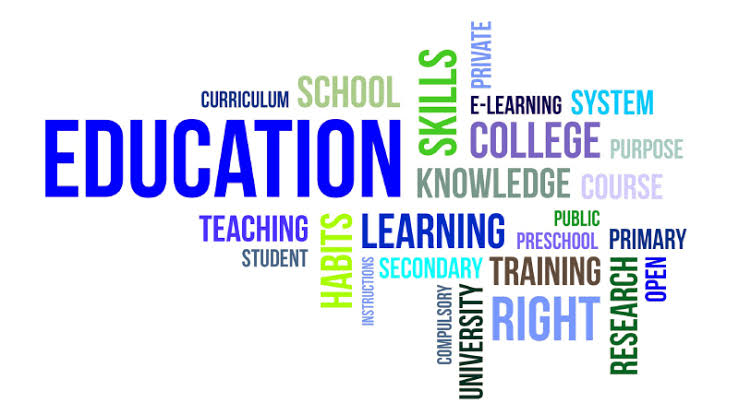
Education is a fundamental human right and a major enabler to reduce inequalities and build peaceful, democratic and inclusive societies that are the core of EU values.
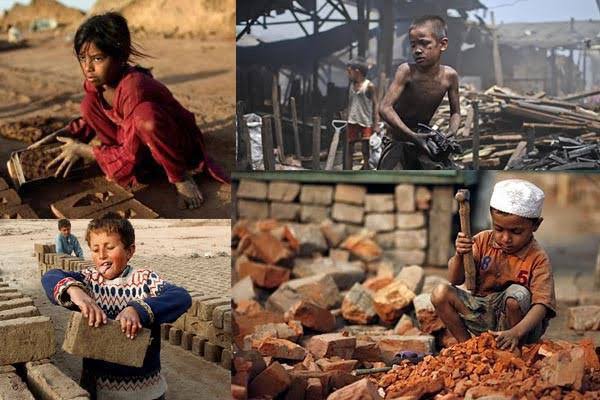
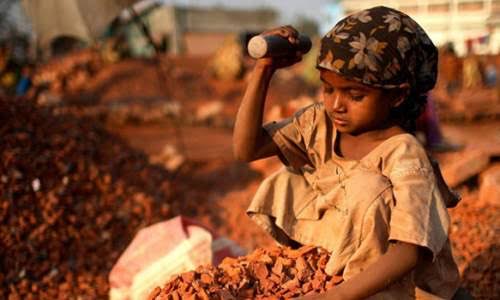
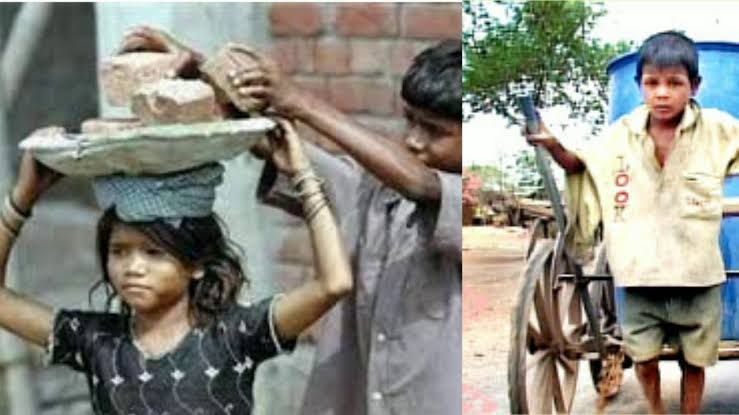
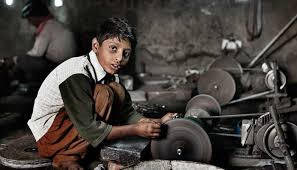
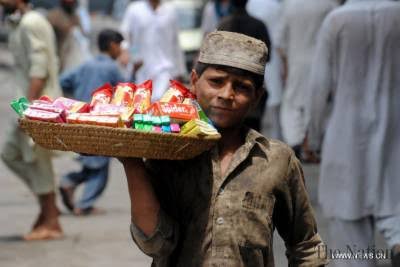
According to the latest Child Labour Global Estimates, published in June, 160 million children – 63 million girls and 97 million boys – were in child labour globally at the beginning of 2020, accounting for almost 1 in 10 children worldwide. 53 million of these children are not in school, amounting to 28% aged 5 to 11, and 35% aged 12 to 14. This is especially alarming given the largest share of those in child labour who are excluded from school are younger children, within the age range for compulsory education. As a result, the future job and life opportunities for all these children will be seriously impeded.
Even for those children in child labour who get to attend school, most struggle to balance the demands of education and their work. They generally do not attend school full time and lag behind their peers in grade progression and learning achievement, and are more likely to drop out prematurely. Hazardous child l abour constitutes an even greater barrier to school attendance.
Covid-19 is a real cause for concern In 2020, the pandemic increased the number of children in income-poor households by an estimated 142 million, which is a massive 24 % increase on the previous year. Their families have suffered job and income losses, seen cuts in remittances and experienced other shocks.
Families turn to child labour as a coping mechanism in times of crises. Moreover, school closures during lockdowns have added to the risks, especially for children in vulnerable situations, as they are even more likely to work when school is not an option. Pandemic-related school closures have affected over 90 % of the world’s students and remote learning failed to reach 463 million learners. When children leave school and enter paid employment, it is usually very difficult to resume their education. Without a robust response, the education emergency may easily spiral into a child labour emergency.
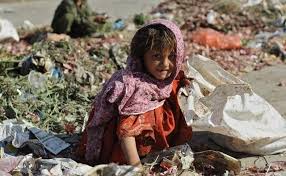
In 2016, Pakistan was criticized for not conducting any surveys focusing on the child labor of the past 20 years. This allowed for about 25 million children, who are not attending school, slip under the radar.
Sindh is known as the most impoverished province in Pakistan. As reported, “In Sindh, 43.1 percent [of the] population is extremely poor due to lack of education, health facilities and poor living standards.”
‘6.4m children out of school in Sindh and most engaged in child labour’
What are the solutions..???
There are some well-known solutions for getting and keeping children in school and out of child labour, and many others, but their effective implementation is still limited:Aligning the minimum working age and the end of compulsory schooling improving the overall quality of education, which increases the chances of students staying in school and succeeding abolishing or reducing school costs, which may be unaffordable for some and include school-feeding facilities register every child at birth, as a birth certificate with proof of legal identity and age is often required to access education providing or increasing universal child benefits as part of countries’ social protection system (see below) and other policy instruments, which could potentially promote more equitable access to education back-to-school campaigns and outreach in response to pandemic related school closures and to sensitise parents on the importance to invest in education flexible school calendar and curricula to incentivise school attendance and cope with family farms needs for seasonal light work facilitate school-to-work transition for children aged 15-17 years through vocational, education and training (VET) to provide them with knowledge, skills and competencies to access decent jobs when they reach working age involving the formal and informal private sector operators and reduce the mismatch between skills and labour market requirements empowering teachers’ unions to improve teachers’ working conditions and wages improving school infrastructure, including safe roads, water and sanitation
Aligning the minimum working age and the end of compulsory schooling improving the overall quality of education, which increases the chances of students staying in school and succeeding abolishing or reducing school costs, which may be unaffordable for some and include school-feeding facilities register every child at birth, as a birth certificate with proof of legal identity and age is often required to access education providing or increasing universal child benefits as part of countries’ social protection system (see below) and other policy instruments, which could potentially promote more equitable access to education back-to-school campaigns and outreach in response to pandemic related school closures and to sensitise parents on the importance to invest in education flexible school calendar and curricula to incentivise school attendance and cope with family farms needs for seasonal light work facilitate school-to-work transition for children aged 15-17 years through vocational, education and training (VET) to provide them with knowledge, skills and competencies to access decent jobs when they reach working age involving the formal and informal private sector operators and reduce the mismatch between skills and labour market requirements empowering teachers’ unions to improve teachers’ working conditions and wages improving school infrastructure, including safe roads, water and sanitation
Although studies have revealed that in the 1950s, families were not as large as were generally believed, with approximately six people in the average family, there were still many children who had siblings. People from the Baby Boomer generation (1946-1964) have often remarked that the youngest child in families they knew seemed to be more knowledgeable than their siblings had been at the same age. What often occurred was these younger children’s exposure to the activities and conversations of siblings introduced them to ideas and concepts earlier than they were to other children without siblings. As a consequence, learning took place sooner in these children. Perhaps, then, children’s earlier exposures to concepts point to the importance of nursery schools and primary elementary educations.
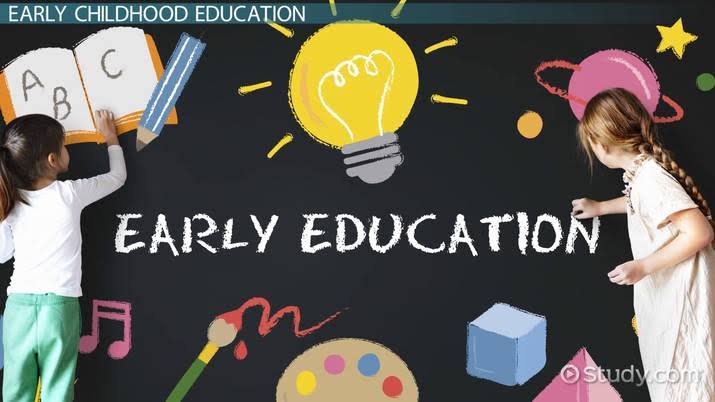
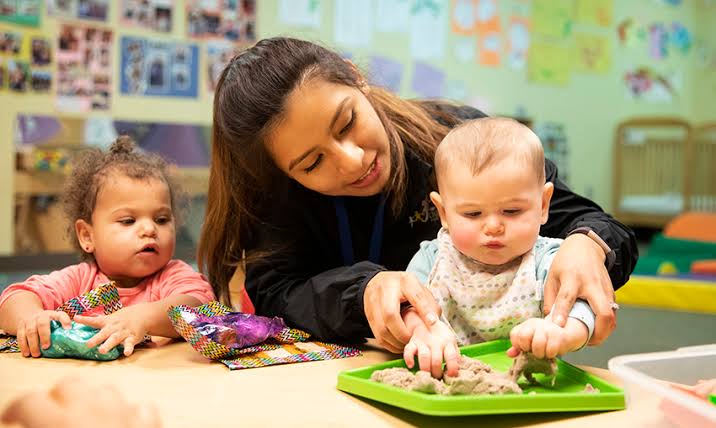
Nowadays, there is little doubt that what is known as “early schooling” significantly affects children’s mental growth as it raises their natural curiosities and desires to learn about their world. National University has released a statement on this education of young children, pointing to its goal of the overall development of a child rather than simply preparing a child for primary school. In its statement, this university proposes that the education of young children assists in their physical, emotional, and cognitive needs in “a holistic manner.” Learning at a very young age will provide them a broad foundation for their well-being and future learning.
Interestingly, all outcomes of this preliminary education have been positive, even as they have varied. Dr. Jessica Alvarado, a National University academic director for the Bachelor of Arts degree in Early Childhood Development, has observed that studies have examined the social benefits of early education in children. She adds that introducing young children to STEM (Science, Technology, Engineering and Math) learning can significantly influence education.
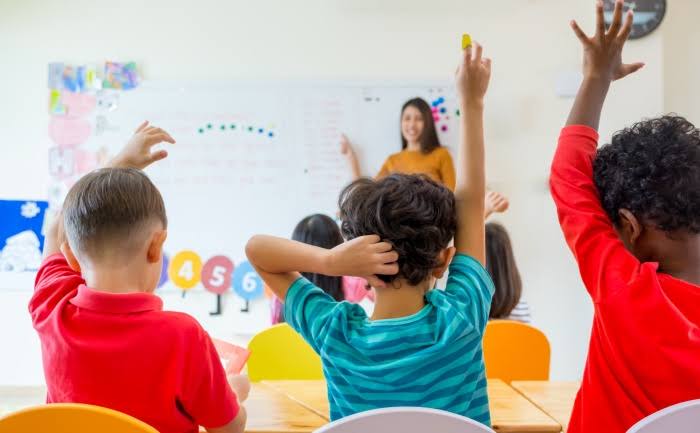
Dr. Alvarado urges educators of very young students to make every effort to know their students and be aware of their specific interests. She observes that when educators involve themselves with young learners, they can exert influence upon them daily, thus building trust in the learning process. With this trusting relationship, students will learn more quickly from their teachers and retain what they know. Further, Dr. Alvarado encourages the relationship-building process with teachers and parents because such a partnership can positively affect students’ enjoyment of learning and future success.
Another chapter closed, 2021 is gone, this year gave me many hectic and emotional moments.
This year, I have seen a lot, I have gone through so much, I have done so much effort to make my dreams a reality.
this year I met the most broken version of me but also the strongest !
This year , I experienced totally different kinda things, I met new people, I make new friends. I walked through many phases.
This year I lost, I won, I cried , I laughed but above all, I learned !
And in the end, I am thankful to Allah that he fulfil my many longings this year , and he gave me strength to survive all pains, I couldn’t survive this year if HE wasn’t with me !
So now I am looking forward to 2022 with very good intentions. And I know this new year will be very important for my personal and career life. May God make things easier for all of us and give us strength, Ameen !❤️
Nations don’t fail overnight. It is not just one decision that makes a nation lead towards the path of destruction. The seeds of destruction are sown deep within their political institutions. The decisions taken by the political elite and the policies implemented by them are the core derivatives of a country’s success or failure. It has been seen that some countries of the world are doing great while some are not even able to provide necessities to their public. The question here is, why is that so? Despite having the same geographical area and somewhat the same leadership style, they are not able to make the same level of growth. Below I have shared five reasons why nations are not able to do well.
Bad public service
One reason why nations don’t do well is that they are unable to provide required services to their public. The countries that lack basic services like Courts, Electricity, Environmental protection, Healthcare, Public transportation, education, and military are not able to experience growth. This completely depends upon the leadership and judiciary of a country, as they are responsible for providing these services to the general public. If these services are not provided, people’s living standards will be compromised, which will ultimately lead to the failure of the nation.
Political exploitation Another reason behind a country’s failure can be political exploitation. Political exploitation is when the rights of electing a leader are being compromised. The leaders are given votes on the basis of their power and not competence. In most countries around the world, the lower class still has insecure property rights and still has to sell their votes for access to credit, land, or work. In such countries, the governments think about their personal benefit rather than the country’s interest.
Weak Central Government The third reason which often makes a nation experience failure is, having a weak central government. The countries that have given more power to the states than the centre often suffer a lot because the tax laws and economic regulations are not uniform. Each state has its own rules and laws, which ultimately makes it difficult for the general public. It is widely believed that having a strong central government can band the whole nation together, and policies are the same for everyone. A strong central government could represent the nation to other countries and could also best protect individual citizens’ rights and freedoms.
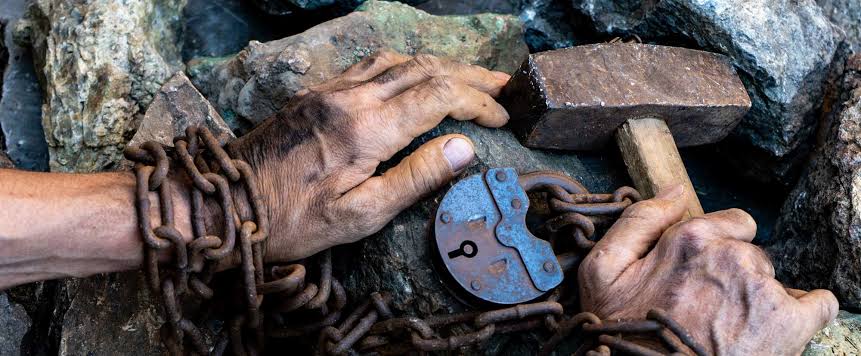
Forced labour Another reason why nations often fail is that they have forced labour. They don’t let the public choose the profession they want to be in. Since the area, they are working in is not of their interest, so their productivity is also quite low. Also, forced labour leads to a lack of technological progress and innovation, which makes the country lag behind. Apart from this, forced labour can lead to a lack of investment in human capital, depletion of natural resources, lower production costs, and state revenues.
No law and Order The fifth reason why a nation fails is, having no law and order. Having a proper law and order situation is essential for every country. I have seen only those countries prospering that have defined rules and regulations that the public follows. Apart from this, these countries have a proper judicial system that makes sure every individual is getting justice. If these things are not there in a country, it is more likely to fail, since every individual will not be getting equal opportunities, and they will not be able to work for the prosperity and betterment of their country.
Lastly, I would say that the growth of a country depends on all the factors discussed above. If anything is missing, and if any area is being compromised, the country is surely doomed.
قومیں ناکام کیوں ہوتی ہیں؟(قومی ناکامی کے اسباب)
قومیں راتوں رات ناکام نہیں ہوتیں۔ یہ صرف ایک فیصلہ نہیں جو کسی قوم کو تباہی کے راستے کی طرف لے جاتا ہے۔ ان کے سیاسی اداروں کے اندر تباہی کے بیج گہرے بوئے جاتے ہیں۔ سیاسی اشرافیہ کی طرف سے لئے گئے فیصلے اور ان پر عمل درآمد کی گئی پالیسیاں کسی ملک کی کامیابی یا ناکامی کے بنیادی مشتقات ہیں۔ دیکھا گیا ہے کہ دنیا کے کچھ ممالک بہت اچھا کام کر رہے ہیں جبکہ کچھ اس قابل بھی نہیں کہ وہ اپنے عوام کو ضروریات زندگی فراہم کر سکیں۔ یہاں سوال یہ ہے کہ ایسا کیوں ہے؟ ایک ہی جغرافیائی رقبے اور کسی حد تک ایک ہی قائدانہ طرز کے حامل ہونے کے باوجود وہ ترقی کی ایک ہی سطح طے کرنے میں کامیاب نہیں ہو پاتے۔ ذیل میں میں نے پانچ وجوہات شیئر کی ہیں جن کی وجہ سے قومیں ٹھیک نہیں ہو پاتیں۔ عوامی خدماتاور تعلیمی بحران اقوام عالم اچھا کام نہ کرنے کی ایک وجہ یہ بھی ہے کہ وہ اپنے عوام کو مطلوبہ خدمات فراہم کرنے سے قاصر ہیں۔ وہ ممالک جن میں عدالتوں، بجلی، ماحولیاتی تحفظ، صحت کی دیکھ بھال، عوامی نقل و حمل، تعلیم، اور فوجی جیسی بنیادی خدمات کا فقدان ہے وہ ترقی کا تجربہ کرنے کے قابل نہیں۔ یہ مکمل طور پر کسی ملک کی قیادت اور عدلیہ پر منحصر ہوتا ہے، کیونکہ وہ یہ خدمات عام لوگوں کو فراہم کرنے کے ذمہ دار ہوتے ہیں۔ اگر یہ خدمات فراہم نہ کی گئیں تو لوگوں کے معیار زندگی پر سمجھوتہ کیا جائے گا جو بالآخر قوم کی ناکامی کا باعث بنے گا۔ سیاسی استحصال کسی ملک کی ناکامی کے پیچھے ایک اور وجہ سیاسی استحصال ہو سکتا ہے۔ سیاسی استحصال اس وقت ہوتا ہے جب کسی لیڈر کو منتخب کرنے کے حقوق پامال کئے جارہے ہوں۔ لیڈروں کو ان کی طاقت اور نہ اہلیت کی بنیاد پر ووٹ دیئے جاتے ہیں۔ دنیا بھر کے بیشتر ممالک میں اب بھی نچلے طبقے کو غیر محفوظ جائیداد کے حقوق حاصل ہیں اور اب بھی انہیں کریڈٹ، زمین، یا کام تک رسائی کے لئے اپنے ووٹ فروخت کرنا پڑتے ہیں۔ ایسے ممالک میں حکومتیں ملکی مفاد کے بجائے اپنے ذاتی فائدے کے بارے میں سوچتی ہیں۔ کمزور مرکزی حکومت تیسری وجہ جو اکثر تجربہ ایک قوم کو ناکام بناتی ہے، ایک کمزور مرکزی حکومت ہے۔ جن ممالک نے ریاستوں کو مرکز سے زیادہ طاقت دی ہے وہ اکثر بہت زیادہ نقصان اٹھاتے ہیں کیونکہ ٹیکس قوانین اور معاشی ضوابط یکساں نہیں ہوتے۔ ہر ریاست کے اپنے اصول اور قوانین ہوتے ہیں، جو بالآخر عام لوگوں کے لیے مشکل کا باعث بنتے ہیں۔ بڑے پیمانے پر یہ خیال کیا جاتا ہے کہ ایک مضبوط مرکزی حکومت کا ہونا پوری قوم کو مل کر بینڈ کرسکتا ہے، اور پالیسیاں سب کے لئے یکساں ہیں۔ ایک مضبوط مرکزی حکومت دوسرے ملکوں میں قوم کی نمائندگی کرسکتی تھی اور انفرادی شہریوں کے حقوق اور آزادیوں کا بھی بہترین تحفظ کرسکتی تھی۔
جبری محنت و مزدوری ایک اور وجہ جو قومیں اکثر ناکام رہتی ہیں وہ یہ ہے کہ انہوں نے محنت کشوں کو مجبور کیا ہے۔ وہ عوام کو اس پیشے کا انتخاب نہیں کرنے دیتے جس میں وہ رہنا چاہتے ہیں۔ علاقے چونکہ ان میں کام کر رہے ہیں اس لیے ان کی دلچسپی نہیں ہے اس لیے ان کی پیداواری صلاحیت بھی کافی کم ہے۔ نیز، جبری مشقت تکنیکی ترقی اور جدت کی کمی کا باعث بنتی ہے، جس سے ملک پیچھے رہ جاتا ہے۔ اس کے علاوہ جبری مشقت انسانی سرمائے میں سرمایہ کاری کی کمی، قدرتی وسائل کی کمی، کم پیداواری لاگت اور ریاستی محصولات میں کمی کا باعث بن سکتی ہے۔
امن و اماناور قوانین پانچویں وجہ جس سے ایک قوم ناکام ہے،وہ امن و امان ہے امن کی مناسب صورتحال کا ہونا ہر ملک کے لئے ضروری ہے۔ میں نے صرف ان ممالک کو خوشحال ہوتے ہوئے دیکھا ہے جس میں قواعد و ضوابط کی وضاحت کی گئی ہے جو عوام پیروی کرتے ہیں۔ اس کے علاوہ ان ممالک میں مناسب عدالتی نظام رائج ہے جو اس بات کو یقینی بناتا ہے کہ ہر فرد کو انصاف مل رہا ہے۔ اگر کسی ملک میں یہ چیزیں نہ ہوں تو اس میں ناکامی کا امکان زیادہ ہوتا ہے، چونکہ ہر فرد کو یکساں مواقع نہیں مل رہے ہوں گے اور وہ اپنے ملک کی خوشحالی اور بہتری کے لئے کام نہیں کر سکے گا۔ آخر میں، میں یہ کہوں گی کہ کسی ملک کی ترقی کا انحصار اوپر زیر بحث آنے والے تمام عوامل پر ہے۔ اگر کسی چیز پر عمل درآمد نہیں ہے، اور اگر کسی علاقے پر سمجھوتہ کیا جارہا ہے تو ملک یقینا برباد ہوچکا ہے۔
Here are the TOP 3 reasons why most of the people do not succeed in any business.
1) They give up in the first 6 months.
It’s not because they didn’t get sales, most of them made good amount of sales. But they failed to continue their business because of what I say “high expectations”. If you are starting a business and believe that in the first 6 months, it is going to be a fun ride and you will make a lot of money, it’s not going to work.
2) They focus on multiple ideas & businesses.
We have limited amount of energy and if you give your focus and energy to 3 different businesses, it will NOT work. You have to be “IN” the business for at least 5 years. Commit to that single business for 5 years and you will thank me later.
3) They lacked digital marketing skills.
They had a great product and awesome employees but they failed to market their product and generate sales which resulted in business closure. Don’t be a cheap business owner, invest your time, money and resources in building skills in online marketing as that’s the fastest route to business’s success.
Want to make money online but don’t know where to begin? No worries, we’ve got you covered! My name’s Fraser from Fire The Boss; I’m delighted to bring you this guest post today! The truth is there are legitimate ways to earn money online, and millions of individuals do so every day. People hunt for […]
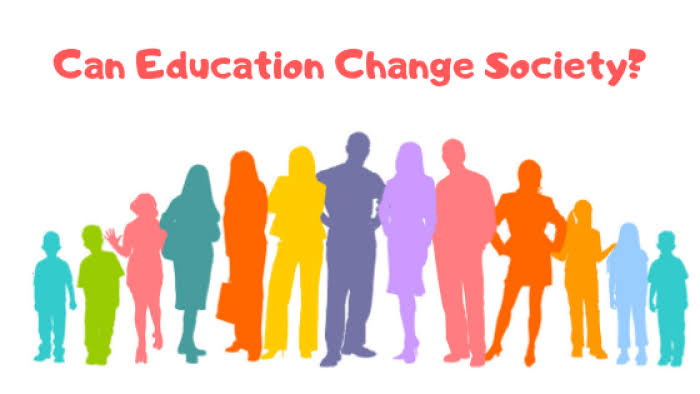
Education is a unique medium for bringing in social changes. But due to social changes, there arises a necessity of introducing changes in the educational system also.
It is one of the main duties of education to equip man; with the power and abilities with the help of which he may adjust himself in the ever- changing social environment Education should develop a liberal attitude in man towards social changes.
But this liberal attitude does not mean that he should accept the social changes blindly. He has to make his attitude fully scientific. In a progressive society, researches, investigations and experimentations have to be encouraged.
Towards this goal educational efforts have to be directed. Thus our educational system has to be purposive. It is important to exercise the necessary control on social change, because sometimes some change may be also harmful for society. Therefore bad social changes must be checked in order that social evils may not spread.
Education has to be made a tool for preventing the spread of social evils and blocking their source of origin. Through these tool good points of old traditions and culture may be safeguarded and in place of bad old ones new progressive types may be encouraged. All the social institutions should take the help of education in effecting a balance between various social changes.
It is not necessary that whatever social changes man brings in for making his life happy will be necessarily helpful to him in the ultimate analysis. However, education is the best means for implementing the changes that he desires.
That is why it is said that education is the dynamic side of our philosophy or ideas. Through education man brings his thinking on the right track and gets a direction for proceeding further. If the efforts are helpful to the society, they should be accepted; otherwise the same should be rejected.
Therefore a thinker and philosopher should use education for making man’s life purposive. Education is the best means for full development of man. Whatever goals of life are determined by society they should be corresponding to the age, experience and environment of the individual in general.
Only then a right direction will be available for social change and progress. The goals of education should be such as to suit to various stages of development of the individual. The goals for one stage of development may not be congenial to another stage. For example, the goals Fixed for the primary stage may not be helpful for the secondary stage of education or for adult or old age of man.
Material culture is also developed through education, but the social elements allied with the material culture have to be transformed through education wherever necessary. For example, language development is not possible without education.
Language is an element of non-material culture. Language is the best means for interaction of various ideas. Therefore education may develop non-material culture as well.
Education establishes a relationship between knowledge and new investigations and researches. From this it becomes clear how the new knowledge will affect the human life.
For effecting a social changes education acts in two ways:
To safeguard the material and non-material elements of culture, and
To encourage new investigation pertaining to material culture and to introduce new ideas in social life
I believe that education definitely has an impact on society and how we perceive both ourselves and everyone around us. I would say that education is the first time you notice cultural differences and what other people’s views are.
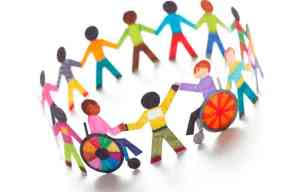
Education helps to integrate students from different backgrounds. It enables us to take part in group activities with others who are completely different to ourselves. Some may have a different financial background to you, others will have personal issues etc. In this case, education does help bring people from all backgrounds together.
Education system
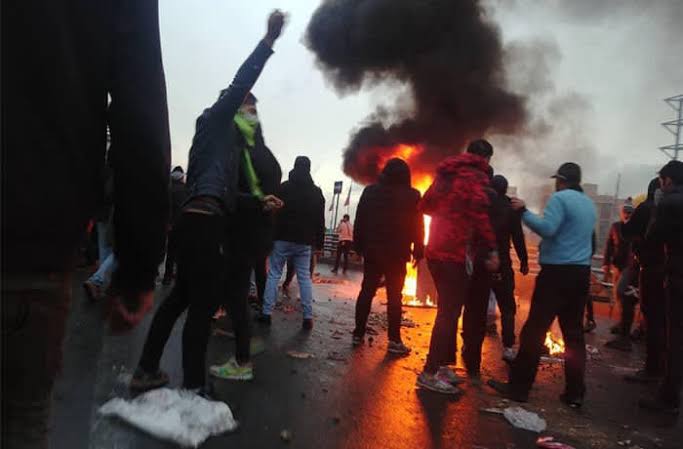
Depending on the type of school you go to, education can help reduce violence. Now, there are some schools in which it is not disciplined enough so students can get away with this type of behaviour. Most schools I know of do have rules in place to help deter students away from violence and crimes. I know that in the school, there are many stories of children bringing knives to school or shooting in classes. So education definitely has an impact on society in regards to crime rates.
The main benefit of education is that it gives people hope for the future. If you do well in your education, it will open up so many doors if you allow your mentality and your mindset to take you far in life. Most people will shun off education completely and then complain down the line why their life hasn’t gone the way they wanted it to. Put 100% into your education and you will reap the rewards in the future.
There are many aspects of education that can help grow your network. One of these may be educational trips. If you meet someone on one of your educational trips, then take action and try to make as many contacts as possible. This will be very beneficial in the future. Going to after-school clubs can also have similar benefits if you look at them in a professional manner.
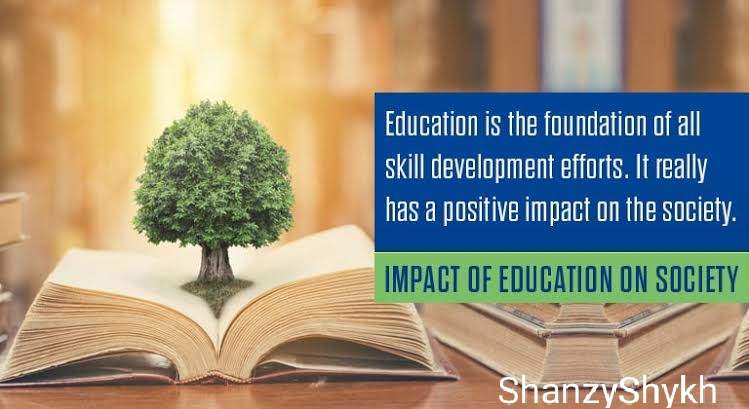
Education definitely has an impact on society for every single student. It is up to you to decide whether that impact is a positive one or a negative one.













 Being Positive