Education is a fundamental human right and a major enabler to reduce inequalities and build peaceful, democratic and inclusive societies that are the core of EU values.
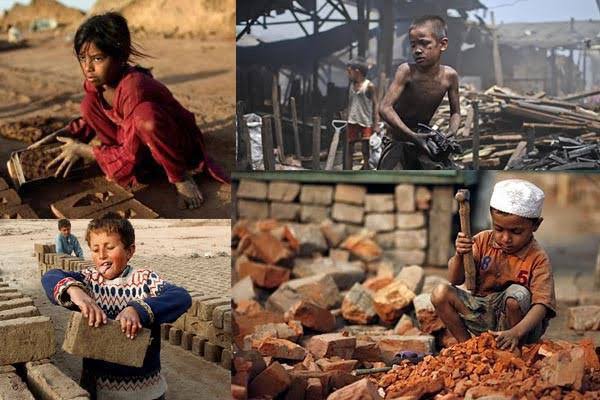
According to the latest Child Labour Global Estimates, published in June, 160 million children – 63 million girls and 97 million boys – were in child labour globally at the beginning of 2020, accounting for almost 1 in 10 children worldwide. 53 million of these children are not in school, amounting to 28% aged 5 to 11, and 35% aged 12 to 14. This is especially alarming given the largest share of those in child labour who are excluded from school are younger children, within the age range for compulsory education. As a result, the future job and life opportunities for all these children will be seriously impeded.

Even for those children in child labour who get to attend school, most struggle to balance the demands of education and their work. They generally do not attend school full time and lag behind their peers in grade progression and learning achievement, and are more likely to drop out prematurely. Hazardous child l abour constitutes an even greater barrier to school attendance.
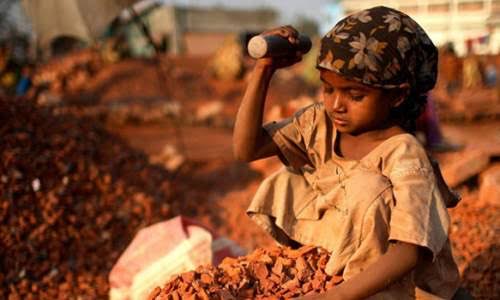
Covid-19 is a real cause for concern
In 2020, the pandemic increased the number of children in income-poor households by an estimated 142 million, which is a massive 24 % increase on the previous year. Their families have suffered job and income losses, seen cuts in remittances and experienced other shocks.
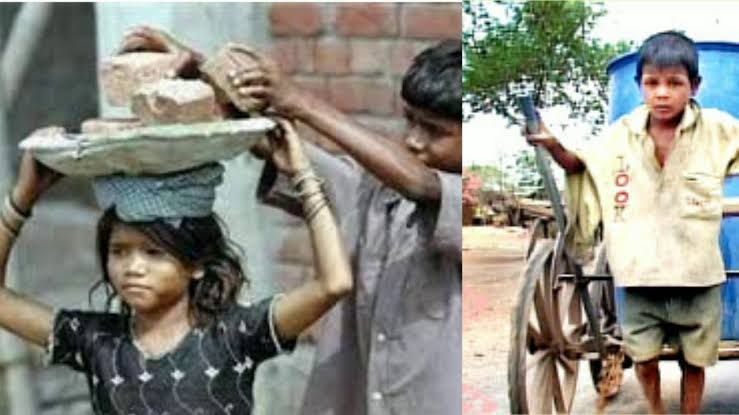
Families turn to child labour as a coping mechanism in times of crises. Moreover, school closures during lockdowns have added to the risks, especially for children in vulnerable situations, as they are even more likely to work when school is not an option. Pandemic-related school closures have affected over 90 % of the world’s students and remote learning failed to reach 463 million learners. When children leave school and enter paid employment, it is usually very difficult to resume their education. Without a robust response, the education emergency may easily spiral into a child labour emergency.
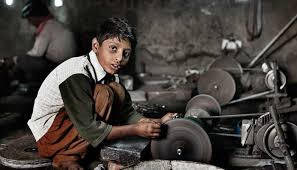
In 2016, Pakistan was criticized for not conducting any surveys focusing on the child labor of the past 20 years. This allowed for about 25 million children, who are not attending school, slip under the radar.
Sindh is known as the most impoverished province in Pakistan. As reported, “In Sindh, 43.1 percent [of the] population is extremely poor due to lack of education, health facilities and poor living standards.”
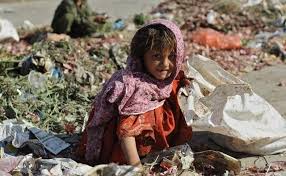
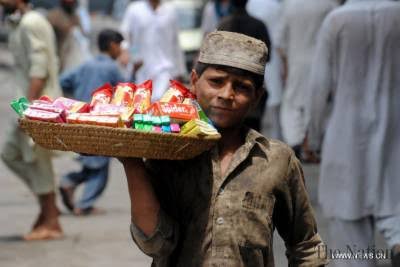
‘6.4m children out of school in Sindh and most engaged in child labour’

What are the solutions..???
There are some well-known solutions for getting and keeping children in school and out of child labour, and many others, but their effective implementation is still limited:Aligning the minimum working age and the end of compulsory schooling
improving the overall quality of education, which increases the chances of students staying in school and succeeding
abolishing or reducing school costs, which may be unaffordable for some and include school-feeding facilities
register every child at birth, as a birth certificate with proof of legal identity and age is often required to access education
providing or increasing universal child benefits as part of countries’ social protection system (see below) and other policy instruments, which could potentially promote more equitable access to education
back-to-school campaigns and outreach in response to pandemic related school closures and to sensitise parents on the importance to invest in education
flexible school calendar and curricula to incentivise school attendance and cope with family farms needs for seasonal light work
facilitate school-to-work transition for children aged 15-17 years through vocational, education and training (VET) to provide them with knowledge, skills and competencies to access decent jobs when they reach working age
involving the formal and informal private sector operators and reduce the mismatch between skills and labour market requirements
empowering teachers’ unions to improve teachers’ working conditions and wages
improving school infrastructure, including safe roads, water and sanitation
Aligning the minimum working age and the end of compulsory schooling
improving the overall quality of education, which increases the chances of students staying in school and succeeding
abolishing or reducing school costs, which may be unaffordable for some and include school-feeding facilities
register every child at birth, as a birth certificate with proof of legal identity and age is often required to access education
providing or increasing universal child benefits as part of countries’ social protection system (see below) and other policy instruments, which could potentially promote more equitable access to education
back-to-school campaigns and outreach in response to pandemic related school closures and to sensitise parents on the importance to invest in education
flexible school calendar and curricula to incentivise school attendance and cope with family farms needs for seasonal light work
facilitate school-to-work transition for children aged 15-17 years through vocational, education and training (VET) to provide them with knowledge, skills and competencies to access decent jobs when they reach working age
involving the formal and informal private sector operators and reduce the mismatch between skills and labour market requirements
empowering teachers’ unions to improve teachers’ working conditions and wages
improving school infrastructure, including safe roads, water and sanitation
ShanzyShykh

 Being Positive